
This guide details safe operation of your folding drone, featuring HD camera & app control. Explore safety, setup, flight, & troubleshooting – a comprehensive manual!
Discover essential instructions, mirroring those found in Eachine E58 & X20W manuals, ensuring a smooth, informed flying experience. Download the app!
What is a Folding Drone?
Folding drones, like the Eachine E58 and X20W, represent a revolution in aerial technology; Their key feature is portability – arms fold inward, creating a compact package for easy transport.
Unlike traditional drones, these are designed for convenience, often including HD cameras and app control. User manuals emphasize their accessibility, even for beginners, though some, like Wyze cameras, rely solely on app-based instructions. They offer a blend of performance and practicality.
Key Features and Benefits
Folding drones boast several advantages. Portability is paramount, allowing easy transport and storage. HD cameras capture stunning aerial footage, controlled via a dedicated app – essential for modern drones.
User manuals highlight features like one-key calibration, ensuring stable flight. Intelligent flight modes, such as obstacle avoidance, enhance safety. These drones offer a user-friendly experience, blending advanced technology with accessible operation.
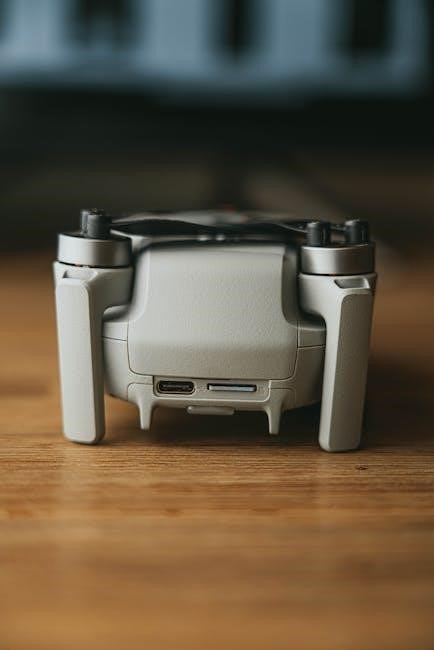
Unboxing and Component Overview
Carefully unpack your drone, remote controller, battery, charger, and accessories. Refer to the manual for a detailed component list and identification guide – begin your journey!
Drone Body and Propellers
Inspect the drone body for any shipping damage before flight. Folding drones, like the Eachine E58, prioritize portability. Ensure propellers are securely attached and undamaged; replacements are crucial for safe operation. Check for proper rotation – clockwise and counter-clockwise pairs are essential for stable flight. Damaged propellers significantly impact performance and control, potentially causing crashes.
Remote Controller
Familiarize yourself with the remote’s layout. Key functions include throttle, steering, and camera controls. Short presses often scroll through menus, while long presses activate features like screen switching. Understand the obstacle avoidance switch and speed adjustment settings. Ensure batteries are fully charged before each flight. Proper operation is vital for controlling your folding drone effectively.
Battery and Charger
Always use the provided charger to avoid damage. Fully charge the battery before the first flight and after each use. Monitor the charging process; do not overcharge. Disconnect the battery once fully charged. Proper battery maintenance extends flight time and lifespan. Store batteries in a safe, cool, and dry location. Follow all safety guidelines.
Additional Accessories
Your drone package may include spare propellers, a screwdriver for replacement, and a USB cable for charging and data transfer. Some models offer extra batteries for extended flight time. Consider purchasing a carrying case for safe transport and storage. Explore landing pads to protect the drone and camera. Always verify compatibility.

Preparing for Your First Flight
Ensure a fully charged battery and properly installed propellers. Activate and register your drone via the app, following all legal requirements. Calibrate before flying!
Battery Installation and Charging
Carefully insert the battery into the designated compartment, ensuring a secure connection. Utilize the provided charger, connecting it to a suitable power source. Monitor the charging indicator; avoid overcharging to preserve battery life. Fully charge before each flight for optimal performance and extended airtime. Disconnect immediately upon completion. Refer to the manual for specific charging times and safety precautions.
Remote Controller Setup
Power on the remote controller by pressing the power switch. Download and install the drone’s companion app on your smartphone. Connect your phone to the controller via USB cable. Ensure a stable connection for optimal control. Calibrate the controller following the on-screen prompts within the app. Familiarize yourself with throttle, steering, and function buttons.
Drone Activation and Registration
Before your first flight, activate your drone through the manufacturer’s app. This typically involves creating an account and agreeing to terms of service. Register your drone with your local aviation authority, following all applicable regulations. Understand and comply with airspace restrictions. Failure to register may result in penalties. Keep registration details readily available.
Flight Controls and Operation
Master the remote controller’s functions – throttle, steering, and camera controls. Practice takeoff, landing, hovering, and basic maneuvers for a safe, controlled flight experience.
Understanding the Remote Controller
Familiarize yourself with the controller’s layout: throttle (up/down), steering (left/right), and trim controls for precise adjustments. Locate the obstacle avoidance switch and speed adjustment settings. Note the power switch, headless mode activation, and play/exit buttons.
Short presses often scroll through menus, while long presses may switch screens. Understanding these functions, as detailed in manuals like the X20W, is crucial for confident control during flight.
Basic Flight Maneuvers (Takeoff, Landing, Hovering)
To take off, gently push both throttle sticks diagonally downwards and outwards simultaneously. For landing, slowly descend using the throttle until the drone touches down. Hovering requires subtle throttle and steering adjustments to maintain a stable position.
If the drone struggles to rise vertically, initiate the one-key calibration procedure. Practice these maneuvers in an open area, referencing your drone’s manual for specific instructions and safety guidelines.
Camera Controls and Settings
Access camera controls through the drone app, enabling live video feed and recording. Adjust settings like resolution and photo/video modes for optimal image quality. Utilize the app interface to manage flight data and recorded media effectively;
Explore features like screen switching and obstacle avoidance settings, often controlled via throttle lever adjustments. Refer to your specific model’s manual for detailed camera functionality.
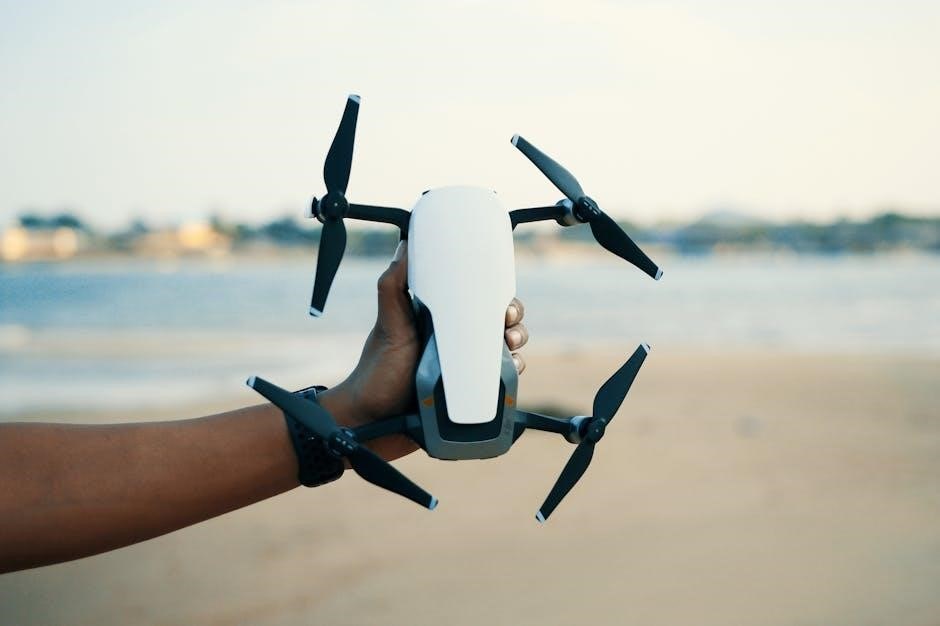
Safety Precautions
Prioritize pre-flight checks and fly in safe, open environments. Understand emergency procedures and adhere to all drone regulations for responsible operation.
Pre-Flight Checklist
Before each flight, meticulously inspect propellers for damage, ensuring secure attachment. Verify full battery charge for both drone and controller, and confirm adequate GPS signal strength. Check the surrounding airspace for obstacles, people, and potential interference. Calibrate the drone if takeoff is unstable – a flashing indicator signals calibration. Confirm legal compliance with local drone regulations and restrictions before initiating flight.
Flying in Safe Environments
Always operate your drone in open areas, away from airports, crowds, and restricted airspace. Avoid flying near power lines, trees, and bodies of water. Maintain a visual line of sight with your drone at all times. Be mindful of weather conditions – avoid flying in strong winds or precipitation. Respect privacy and avoid flying over private property without permission.
Emergency Procedures
In case of loss of control, immediately release the control sticks and activate Return-to-Home (RTH) if available. Be prepared to manually land the drone if RTH fails. If a collision is imminent, cut the throttle to minimize damage. Prioritize safety – protect people and property. Document any incidents for warranty claims.
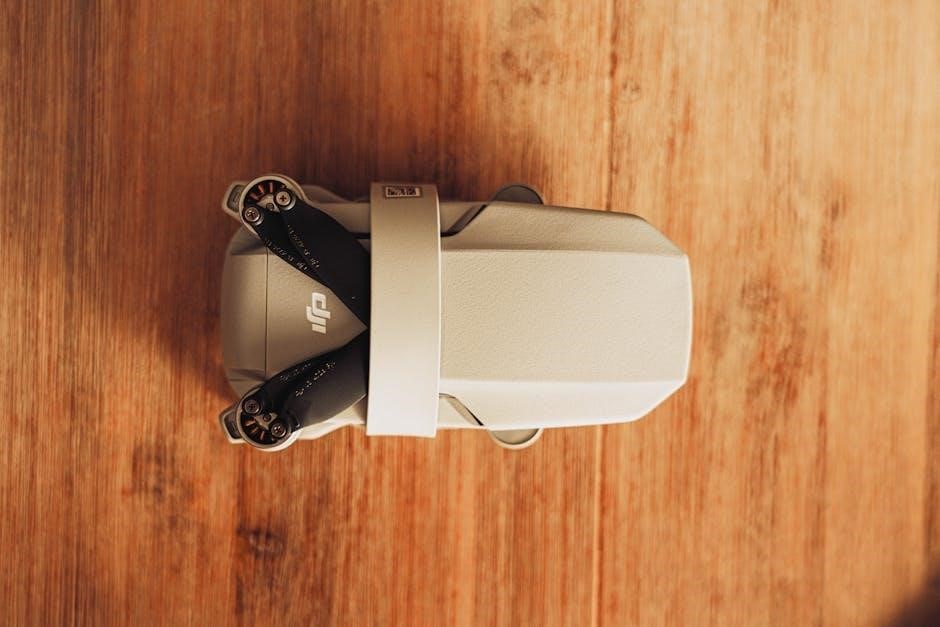
Calibration and Settings
One-key calibration resolves takeoff issues; a flashing indicator signals progress. Utilize GPS mode & intelligent flight modes via the app for optimal performance. Adjust settings accordingly!
One-Key Calibration Procedure
If your drone struggles with stable takeoff or vertical ascent, initiate the one-key calibration sequence. Locate the calibration button within the drone app or on the remote controller. Upon activation, the drone’s indicator lights will begin to flash rapidly, signifying the calibration process is underway.
Maintain a level surface and avoid any interference during this crucial step. Calibration completes when the indicator light transitions to a solid, constant illumination. Successful calibration ensures accurate sensor readings and improved flight stability, allowing for a safer and more controlled flying experience.
GPS Mode and Intelligent Flight Modes
Activate GPS mode within the drone app for enhanced stability and positioning accuracy, especially in open environments. Intelligent Flight Modes, like Follow Me and Orbit Mode, offer automated flight experiences. Follow Me allows the drone to track a selected subject, while Orbit Mode circles a designated point of interest.
Waypoint Navigation enables pre-planned flight paths for complex aerial maneuvers. Ensure a strong GPS signal before engaging these features for optimal performance and safety. Explore the app interface to customize settings and parameters for each mode.
Adjusting Drone Settings via the App
Utilize the drone app to personalize your flight experience. Access settings for camera resolution, video quality, and image formats. Customize flight parameters like maximum altitude, speed limits, and return-to-home distance. Adjust obstacle avoidance sensitivity and headless mode preferences.
Explore advanced options for intelligent flight modes and GPS settings. Regularly check for firmware updates within the app to ensure optimal performance and access to new features. Save your preferred configurations for future flights.
Maintenance and Troubleshooting
Ensure optimal performance with regular propeller replacement. Keep firmware updated via the app. Address common issues – calibration, takeoff failures – using the manual’s solutions.
Propeller Replacement
Damaged propellers significantly impact flight stability and safety; replacement is crucial. Identify the correct propeller type – often marked (A or B) – as per your drone’s manual. Remove the damaged propeller by twisting counter-clockwise, then install the new one, ensuring a secure fit.
Always replace propellers in pairs to maintain balanced flight characteristics. Regularly inspect propellers for cracks or bends, even without visible damage from crashes. Prioritize safety and performance with timely replacements!
Firmware Updates
Regular firmware updates are vital for optimal drone performance, stability, and access to new features. Check the drone’s app for available updates – follow on-screen instructions carefully during the process. Ensure a stable power source (fully charged battery or reliable USB connection) throughout the update.
Interruptions during firmware updates can cause serious damage; avoid them. Updates often address bug fixes and enhance flight safety, so staying current is highly recommended for a superior flying experience.
Common Issues and Solutions
If your drone fails to take off or exhibits unstable flight, perform a one-key calibration as described earlier in this manual. Check propeller attachment and battery charge levels. App connectivity issues? Restart both the drone and your mobile device.
For unresponsive controls, re-bind the remote controller. Consult the app’s troubleshooting section or online forums for further assistance with specific error messages.
Advanced Features
Unlock intelligent flight modes like Follow Me, Orbit, and Waypoint Navigation via the drone app. Enjoy automated flight paths and cinematic shots!
Follow Me Mode
Activate Follow Me Mode through the drone app, allowing the drone to automatically track and follow the remote controller’s location. Ensure a strong GPS signal for reliable tracking and maintain a safe distance. Be aware of surroundings, as the drone will maintain its altitude and heading while following. Confirm the drone is locked onto your signal before initiating, and always prioritize safety during operation.
Orbit Mode
Enable Orbit Mode via the drone app to have the drone circle a designated point of interest. Select the orbit radius and direction before initiating. Maintain visual contact with the drone throughout the flight, and ensure the area is clear of obstacles. Monitor the drone’s position and adjust settings as needed for a smooth, controlled orbit. Prioritize safety and be prepared to regain manual control.
Waypoint Navigation
Utilize the app to set multiple waypoints on a map, creating a pre-defined flight path for your drone. Ensure each waypoint is within the drone’s range and free of obstructions. Adjust altitude and speed settings for each waypoint as desired. Monitor the flight closely and be ready to intervene if necessary, prioritizing safety. Confirm waypoint accuracy before initiating automated flight.
Understanding the Drone App
The app provides a live video feed, flight data, and control settings; Access recording functions, adjust drone parameters, and view flight logs – essential for operation!
App Interface Overview
The drone app’s interface displays a live video feed from the HD camera, crucial for navigation and recording. Key elements include battery level indicators, signal strength, and flight mode selection. Control levers mimic the remote, enabling precise maneuvering. Settings menus allow adjustments to camera resolution, intelligent flight modes, and drone parameters. Flight data like altitude, speed, and distance are prominently shown, aiding situational awareness. Explore the intuitive layout for optimal control and a seamless flying experience.
Live Video Feed and Recording
Access a real-time view from your drone’s camera via the app’s live video feed. Ensure a strong signal for clear imagery. Initiate recording directly through the app interface, capturing photos and videos during flight. Adjust camera angles remotely for optimal shots. Review recorded footage within the app’s gallery, and easily download or share your aerial content. Utilize the app to manage storage and recording settings.
Flight Data and Logs
The drone app meticulously records crucial flight data, including altitude, distance, speed, and GPS coordinates. Access detailed flight logs to analyze your flying performance and identify areas for improvement. Review flight paths on a map within the app. This data aids in understanding drone behavior and troubleshooting potential issues. Utilize this information for safer, more controlled flights, and to track your aerial adventures.
Specifications
Key specs include drone dimensions, weight, battery life, flight range, and camera resolution; Refer to your model’s documentation for precise details and performance metrics.
Drone Dimensions and Weight
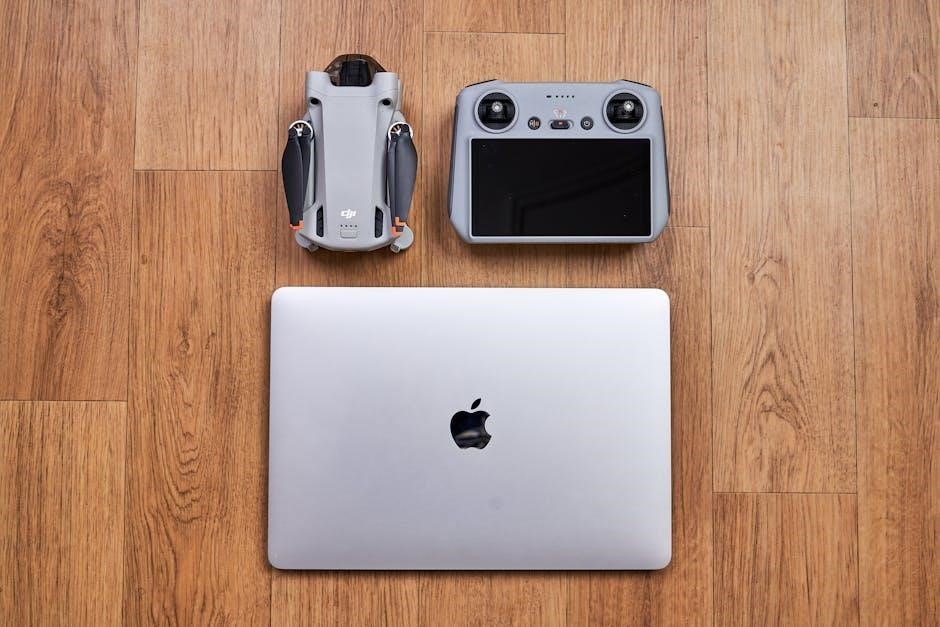
Understanding the physical characteristics of your folding drone is crucial for portability and flight performance. Typical folded dimensions range from approximately 125x85x60mm, while unfolded, expect around 295x295x70mm.
Weight, including the battery, generally falls between 249-260 grams. These compact dimensions and lightweight design contribute to the drone’s ease of transport and maneuverability, making it ideal for various aerial adventures.
Battery Life and Range
Expect approximately 10-15 minutes of flight time per fully charged battery, though this varies with conditions. Typical range reaches up to 80-100 meters, offering ample space for exploration.
Remember, factors like wind, temperature, and flight maneuvers impact both battery life and signal range. Always monitor battery levels via the app and land before critical depletion to ensure safe operation.
Camera Resolution and Features
Your drone boasts an HD camera, typically capturing video at 720p or 1080p resolution, delivering clear aerial footage. Features often include adjustable angles, allowing for diverse perspectives.
Utilize the app to control camera settings, record videos, and capture still images. Explore options like photo and video modes, ensuring you document your flights with optimal quality and creativity.
Legal Considerations
Adhere to all drone regulations & restrictions. Respect privacy concerns while flying. Understand local laws regarding drone operation – fly responsibly and legally!
Drone Regulations and Restrictions
Operating your folding drone legally requires awareness of airspace restrictions and local regulations. Always check for no-fly zones, often near airports, government facilities, and crowded events. Registration with aviation authorities may be mandatory, depending on your drone’s weight and your location. Respect altitude limits and maintain visual line of sight. Familiarize yourself with rules regarding flying over people and private property to avoid potential legal issues and ensure responsible drone operation.
Privacy Concerns
Drone operation with cameras raises significant privacy considerations. Avoid recording individuals without their consent, and be mindful of capturing images or video on private property. Respect personal boundaries and adhere to local privacy laws regarding surveillance. Understand that recording and sharing footage may have legal implications. Prioritize ethical drone use and protect the privacy of others while enjoying your folding drone’s capabilities.

Warranty Information
Coverage details and the claim process vary by manufacturer. Review your drone’s documentation for specifics regarding defects and repair procedures. Register your drone!
Coverage Details
Standard warranty typically covers manufacturing defects in materials and workmanship for a defined period – often one year from the purchase date. This does not include damage from crashes, misuse, or modifications. Coverage may be voided by unauthorized repairs or failure to follow the provided user manual instructions. Specific terms, including parts and labor, are outlined in the documentation accompanying your folding drone. Always retain proof of purchase for warranty claims.
Claim Process
To initiate a claim, contact the manufacturer’s support team with your purchase proof and a detailed description of the issue. You may need to provide photos or videos demonstrating the defect. Follow their instructions for returning the drone – shipping costs may apply. Claims are assessed based on warranty terms; repairs or replacements are determined accordingly. Refer to the user manual for specific contact information and procedures.